












How to Tour Wineries in Sonoma from San Francisco
How to Tour Wineries in Sonoma from San Francisco Exploring the world-class wineries of Sonoma County from San Francisco is one of the most rewarding day-trip experiences in Northern California. With over 425 wineries spread across diverse microclimates and appellations—ranging from the cool, fog-kissed Russian River Valley to the sun-drenched Alexander Valley—Sonoma offers an unparalleled blend o

How to Tour Wineries in Sonoma from San Francisco
Exploring the world-class wineries of Sonoma County from San Francisco is one of the most rewarding day-trip experiences in Northern California. With over 425 wineries spread across diverse microclimates and appellationsranging from the cool, fog-kissed Russian River Valley to the sun-drenched Alexander ValleySonoma offers an unparalleled blend of rustic charm, culinary excellence, and viticultural innovation. For travelers based in the Bay Area, a winery tour in Sonoma is not just a wine-tasting excursion; its a journey through rolling vineyards, historic estates, and artisanal food pairings that reflect Californias rich agricultural heritage.
Unlike Napa Valley, which often draws larger crowds and higher price points, Sonoma provides a more relaxed, authentic, and accessible wine country experience. Its lesser-known gems, family-owned vineyards, and emphasis on sustainable farming make it ideal for discerning visitors seeking depth over spectacle. And with San Francisco just 45 to 90 minutes away depending on traffic and destination, its an easy escape from urban life.
This comprehensive guide walks you through every essential step to plan, execute, and enjoy a flawless winery tour in Sonoma Countyfrom choosing the right route and booking tastings to navigating transportation, timing your visit, and discovering hidden gems. Whether youre a first-time visitor or a seasoned wine enthusiast, this tutorial ensures you maximize your experience with practical insights, expert tips, and real-world examples.
Step-by-Step Guide
Step 1: Define Your Goals and Preferences
Before you pack your bags or hit the road, take time to clarify what kind of winery experience you want. Sonoma is vast and varied, and your preferences will determine your itinerary. Ask yourself:
- Do you prefer bold, full-bodied reds like Zinfandel and Cabernet Sauvignon, or lighter, aromatic whites like Chardonnay and Pinot Noir?
- Are you drawn to historic estates with grand architecture, or intimate, off-the-beaten-path family-run vineyards?
- Do you want food pairings, chef-led tastings, or simply a quiet pour and a view?
- Are you traveling solo, as a couple, or in a group? Group dynamics affect pacing and budget.
Answering these questions will help you narrow down which AVAs (American Viticultural Areas) to prioritize. For example:
- Russian River Valley: Best for Pinot Noir and Chardonnay lovers; known for cool-climate elegance.
- Alexander Valley: Ideal for Cabernet Sauvignon and Merlot; warmer, bolder profiles.
- Dry Creek Valley: Renowned for Zinfandel and Sauvignon Blanc; vibrant, fruit-forward styles.
- Sonoma Valley: The original wine region; historic wineries like Buena Vista and Gundlach Bundschu.
- Fort Ross-Seaview: Remote, high-elevation vineyards producing intense, structured Pinot Noir and Chardonnay.
Choose 23 AVAs max per day to avoid burnout. Trying to cover too much ground leads to rushed tastings and diminished enjoyment.
Step 2: Plan Your Route and Transportation
Transportation is the single most critical factor in a successful Sonoma winery tour. Driving yourself is the most flexible option, but requires sober planning. Alternatively, hiring a driver or joining a guided tour eliminates stress and enhances safety.
Option A: Drive Yourself
If you choose to drive, use Google Maps or Waze to plot a logical route. Avoid backtracking. For example:
- Start in Healdsburg (Russian River Valley), visit 23 wineries, then head southeast to Dry Creek Valley for lunch and more tastings, ending in Sonoma Square for dinner.
- Or begin in Sonoma Valley (Benziger, Gundlach Bundschu), drive north to Alexander Valley (Ridge, Simi), then return via Highway 12.
Check traffic conditions before departure. Friday afternoons and Sunday evenings are peak commute times on Highway 101. Consider leaving San Francisco by 8:00 AM to avoid congestion and arrive at your first tasting by 10:30 AM.
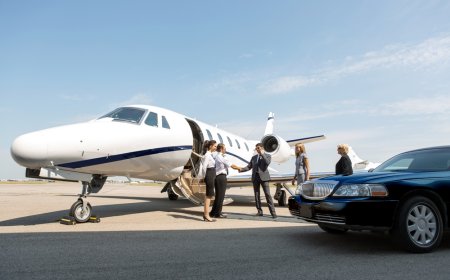
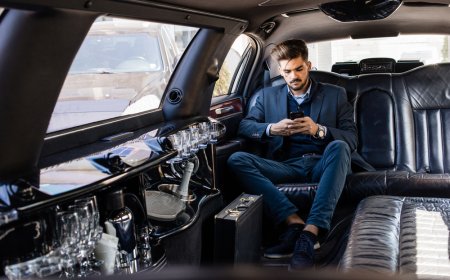
Option B: Hire a Private Driver or Chauffeur
Many local companies offer private wine tour services with licensed drivers who know the region intimately. These services typically include:
- Door-to-door pickup from your San Francisco hotel or residence
- Custom itinerary planning
- Knowledgeable commentary on winemaking, history, and terroir
- Safe transportation with no need to designate a driver
Costs range from $300$700 for a 68 hour tour, depending on group size and vehicle type. Booking in advance is essential, especially during peak season (AprilOctober).
Option C: Join a Guided Group Tour
Several reputable tour operators depart from San Francisco daily. Examples include Wine Country Tours, Golden Gate Tours, and San Francisco Wine Tours. These typically include:
- Transportation in a luxury minibus
- Tastings at 34 wineries
- Lunch at a vineyard restaurant
- Expert sommelier or guide
Group tours cost between $120$220 per person and are ideal for solo travelers or those who prefer structure. However, they offer less flexibilitystick to the schedule or risk missing tastings.
Step 3: Book Tastings in Advance
Most Sonoma wineries require reservations for tastingseven if they once welcomed walk-ins. The shift toward appointment-only service began pre-pandemic and has become standard due to increased demand and a desire to provide personalized experiences.
Book at least 12 weeks ahead for weekends and holidays. For popular wineries like Jordan Vineyard & Winery, Artesa, or La Crema, book 46 weeks in advance.
When booking, confirm:
- Tasting fee (typically $30$75 per person)
- Whether it includes food pairings
- Duration (usually 6090 minutes)
- Group size limits
- Cancellation policy
Many wineries waive tasting fees if you purchase a bottle or case. Ask if this appliesit can offset costs significantly.
Step 4: Pack Appropriately
While Sonoma is casual, dressing smart-casual enhances the experience. Avoid flip-flops, tank tops, or overly sporty gear. Heres what to bring:
- Comfortable walking shoes (vineyards are uneven, and many have stone paths or stairs)
- Light jacket or sweater (even in summer, vineyards can be cool, especially near the coast)
- Sunglasses and sunscreen (UV exposure is high at elevation)
- Reusable water bottle (stay hydratedalcohol dehydrates)
- Small notebook or phone app to record tasting notes
- Portable charger (youll be taking photos and using maps)
- Spittoon (some wineries provide them, but dont assume)
Dont forget your ID. California law requires proof of age for alcohol consumption. No exceptions.
Step 5: Build Your Tasting Schedule
Plan for 34 tastings per day, with 90 minutes per stop. Allow 3045 minutes between locations for travel and rest. Heres a sample one-day itinerary:
- 8:00 AM: Depart San Francisco
- 9:30 AM: Arrive at Artesa Winery (Napa-Sonoma border, panoramic views)
- 11:00 AM: Drive to Chateau St. Jean (Sonoma Valley, historic estate)
- 12:30 PM: Lunch at The Girl & The Fig (Sonoma Square, renowned for wine-friendly cuisine)
- 2:00 PM: Visit St. Francis Winery (sustainable, estate-grown wines)
- 3:30 PM: Stop at La Crema Estate (Russian River Valley, Pinot Noir specialists)
- 5:00 PM: Depart for San Francisco
- 6:30 PM: Arrive back in city
This itinerary balances iconic wineries with scenic stops and culinary breaks. Its also paced to avoid palate fatigue.
Step 6: Master the Art of Wine Tasting
Wine tasting isnt just drinkingits a sensory experience. Follow the 5 Ss:
- See: Hold the glass against white light. Observe color, clarity, and viscosity (legs).
- Swirl: Gently rotate the glass to release aromas.
- Smell: Take two sniffsone shallow, one deep. Identify fruit, earth, spice, oak, or floral notes.
- Sip: Let the wine coat your mouth. Note acidity, tannin, body, and finish.
- Savor: Reflect. Does it evolve? Is it balanced? Would you buy it?
Use the spittoon if youre tasting multiple wines. You dont need to swallow to appreciate flavor. This keeps you sharp and safe.
Ask questions! Winemakers and tasting room staff are passionate and eager to share. Inquire about vineyard practices, barrel aging, or climate impact. This transforms a transaction into a conversation.
Step 7: Manage Your Budget and Purchases
Wine tasting fees are often waived with purchase, but dont feel pressured to buy. If you love a wine, consider:
- Purchasing a bottle or two to take home
- Signing up for the winerys wine club (often includes discounts, exclusive releases, and free shipping)
- Shipping directly to your home (most wineries offer this; California residents get tax-free shipping)
Average bottle prices range from $35$120. Some premium labels exceed $200. Set a spending limit before you leave San Francisco to avoid overspending.
Tip: Bring a small cooler or insulated bag to transport wine in your car. Heat can damage wine during transit, especially in summer.
Best Practices
1. Prioritize Quality Over Quantity
Its tempting to cram in five wineries in one day, but youll remember three exceptional ones far longer than five mediocre ones. Focus on wineries that align with your taste and offer a unique storywhether its organic farming, ancestral winemaking techniques, or a stunning view.
2. Avoid Peak Hours
Arrive early. Most wineries open at 10:00 or 10:30 AM. The first visitors get the most attention from staff and the best seating. By 1:00 PM, groups arrive, and service slows. Late afternoon (after 4:00 PM) can be quiet, but some wineries close or reduce staff.
3. Respect the Environment
Sonoma wineries are leaders in sustainability. Many are certified organic, biodynamic, or solar-powered. Avoid littering, stay on marked paths, and dont touch vines or equipment. Leave no trace.
4. Dont Rush the Food
Many wineries offer charcuterie, cheese boards, or chef-prepared lunches. These are designed to complement the wines. Eat slowly. Sip between bites. The synergy between food and wine elevates both.
5. Communicate Your Preferences
When booking or arriving, tell the staff: I prefer lighter, mineral-driven whites or Im not a fan of heavy oak. This helps them tailor your tasting. Most will adjust based on your feedback.
6. Be Mindful of Alcohol Consumption
Even if youre not driving, overindulgence dulls your senses and diminishes the experience. Pace yourself. Drink water between wines. If you feel lightheaded, pause and rest.
7. Document Your Experience
Take photos of labels, vineyards, and tasting roomsbut dont let your phone distract you from the moment. Use a simple app like Wine-Searcher or Vivino to scan bottles and save tasting notes. Later, you can revisit your favorites and even order more.
8. Consider the Season
Each season offers a different experience:
- Spring (MarchMay): Blooming vines, mild weather, fewer crowds. Ideal for photography.
- Summer (JuneAugust): Peak season. Hot days, busy tasting rooms. Book early.
- Fall (SeptemberOctober): Harvest season. Bustling activity, crush pad tours, vibrant colors. Highest prices and demand.
- Winter (NovemberFebruary): Quiet, cozy, often with special tastings. Many wineries offer discounts. Perfect for intimate experiences.
Winter is underrated. Youll get more personal attention and often receive complimentary upgrades.
Tools and Resources
1. Wine Country Apps
- Vivino: Scan labels to read reviews, find prices, and discover similar wines. Essential for post-tasting research.
- Wine-Searcher: Tracks availability and pricing of wines globally. Great for finding bottles you loved.
- Wine Country App (by Visit Sonoma): Official app with maps, winery listings, events, and reservation links.
- Google Maps: Use the Open Now filter to check winery hours. Many update hours seasonally.
2. Booking Platforms
- Resy: Books tastings and restaurant reservations at top Sonoma venues.
- Wine.com: Offers curated Sonoma wine collections and direct shipping.
- VisitSonoma.com: Official tourism site with curated itineraries, maps, and event calendars.
3. Transportation Services
- Lyft/Uber: Available in Healdsburg and Sonoma, but limited in rural areas. Not reliable for multi-stop tours.
- Wine Country Limo: Premium chauffeur service with luxury vehicles and local expertise.
- Gray Line San Francisco: Offers day tours with pickup from Union Square.
4. Educational Resources
- Wine Folly: The Master Guide (book): Excellent visual guide to grape varieties and regions.
- YouTube Channels: Wine With David and The Wine Pairing Podcast offer deep dives into Sonoma terroir.
- UC Davis Extension: Offers online courses in wine appreciation and viticulture.
5. Local Food & Wine Pairing Guides
Many Sonoma wineries collaborate with local chefs. Recommended pairings:
- Pinot Noir + Sonoma County duck confit
- Zinfandel + braised short ribs
- Chardonnay + goat cheese and honey
- Sauvignon Blanc + grilled artichokes
Check out Sonoma County Winegrowers for official food-and-wine pairing guides downloadable on their website.
Real Examples
Example 1: The Artisanal Couple
Emma and Daniel, both in their late 30s, live in San Francisco and love small-batch, organic wines. They booked a private driver for a day trip focused on sustainable producers.
They visited:
- Marimar Estate (Russian River Valley): Spanish-inspired, organic, biodynamic. Tasted sparkling Pinot Noir and a rare Albario.
- Armstrong Vineyards (Dry Creek Valley): Family-run since 1975. Tasted a bold, unfiltered Zinfandel with a house-made olive oil tasting.
- DeLoach Vineyards (Russian River Valley): Certified organic since 1989. Enjoyed a seated tasting on a patio overlooking the vines.
They purchased two bottles from each winery and signed up for wine clubs. Their driver shared stories about local history, and they ended the day with dinner at The Farmhouse in Sonoma. They returned home with a curated wine collection and a deeper appreciation for regenerative farming.
Example 2: The Solo Traveler
James, a 52-year-old retiree, traveled alone from San Francisco to explore Sonomas lesser-known gems. He joined a small-group tour with Wine Country Tours.
His itinerary included:
- Chalk Hill Estate: Known for its volcanic soil and Bordeaux-style blends. He learned how elevation affects acidity.
- Sebastiani Vineyards: Historic 1904 winery with a tasting room in the original stone cellar.
- Kenwood Vineyards: Tasted a reserve Cabernet Franc with a chocolate pairing.
James didnt buy wine on the trip but used Vivino to identify his favorite bottle later. He wrote a blog post about his experience, which gained traction among fellow solo travelers. He now returns every fall.
Example 3: The Corporate Group
A tech team of 12 from San Francisco hosted a client appreciation day in Sonoma. They hired a private limo service and booked a custom itinerary.
Highlights:
- Jordan Vineyard & Winery: A full estate tour including the kitchen garden, barrel room, and a four-course lunch with wine pairings.
- Francis Ford Coppola Winery: Fun, theatrical tasting with a poolside lounge and vintage car display.
- Trione Vineyards & Winery: Private barrel tasting with the winemaker.
The group spent $12,000 total, but every client left with a personalized wine gift and a glowing impression of the companys attention to detail. The event became an annual tradition.
FAQs
How far is Sonoma from San Francisco?
The distance varies by destination. Healdsburg is about 55 miles north (6075 minutes). Sonoma town is 50 miles (5070 minutes). Alexander Valley is 70 miles (90 minutes). Always allow extra time for traffic, especially on Highway 101.
Do I need to be a wine expert to enjoy Sonoma?
No. Sonoma is welcoming to all levels of knowledge. Tasting room staff are trained to explain wine in simple terms. Ask questionsno one expects you to know everything.
Can I visit wineries without a reservation?
Some smaller, rural wineries still accept walk-ins, but its risky. Over 90% of Sonoma wineries now require bookings. Always confirm before you go.
Whats the best time of year to visit?
Spring and fall are ideal. Spring offers blooming vines and mild weather. Fall brings harvest energy and vibrant colors. Summer is busy but great for outdoor seating. Winter is quiet and often offers the best deals.
Is Sonoma more expensive than Napa?
Generally, no. Sonoma offers comparable quality at lower price points. Tasting fees average $20$50 less than Napas top estates. Accommodations and dining are also more affordable.
Can I bring children or pets?
Most tasting rooms are adults-only (21+). Some wineries allow children in outdoor areas but not in tasting rooms. Pets are rarely permitted indoors but may be allowed on patiosalways call ahead.
How much wine should I expect to taste?
A typical tasting includes 46 wines, with 12 ounces per pour. Thats roughly 612 ounces totalless than a full bottle. You wont get drunk if you sip and spit.
Whats the best way to transport wine home?
Most wineries offer shipping directly to your home. If driving, use a wine carrier or insulated bag. Never leave wine in a hot cartemperatures above 75F can spoil it.
Are there vegan-friendly wineries in Sonoma?
Yes. Many wineries now use vegan fining agents (like bentonite instead of egg whites). Ask for vegan-friendly options. Recommended: Chalk Hill, Marimar, and DeLoach.
Can I combine a winery tour with other activities?
Absolutely. Many visitors add a hike at Jack London State Historic Park, a stroll through Sonoma Plaza, a visit to the Sonoma Cheese Factory, or a spa day at a vineyard resort. Plan your day to include one or two non-wine activities for variety.
Conclusion
Touring wineries in Sonoma County from San Francisco is more than a weekend escapeits a sensory immersion into one of the worlds most dynamic wine regions. With its diverse terroir, commitment to sustainability, and welcoming atmosphere, Sonoma offers an experience thats both deeply personal and profoundly memorable.
By following this guidefrom strategic planning and booking tastings in advance to mastering the art of tasting and respecting the landyou transform a simple day trip into a meaningful journey. Whether youre sipping a cool, mineral-driven Chardonnay overlooking the Russian River or learning the history of a 19th-century estate in Sonoma Valley, each moment becomes part of a larger storyone that begins with curiosity and ends with connection.
Remember: the best wine tours arent about the number of wineries visited, but the depth of experience gained. Slow down. Taste mindfully. Ask questions. Let the landscape and the people guide you. And when you return to San Francisco, dont just bring home bottles of winebring back stories, insights, and a renewed appreciation for the quiet art of making something extraordinary from the earth.
Plan your next Sonoma winery tour today. The vines are waiting.