



















How Nuclear Cardiology Helps Detect Early Signs of Heart Disease


Heart disease remains one of the leading causes of death worldwide, making early detection crucial for effective treatment and long-term health. One of the most advanced diagnostic tools available today is Nuclear Cardiologya non-invasive imaging method that provides detailed information about the function and structure of the heart. In this article, well explore how Nuclear Cardiology plays a vital role in identifying heart disease before symptoms become severe, potentially saving lives through early intervention.
What Is Nuclear Cardiology?
Nuclear Cardiology is a subspecialty of cardiology that uses small amounts of radioactive material to examine the heart's function, blood flow, and structure. This technique involves imaging technologies such as Single Photon Emission Computed Tomography (SPECT) or Positron Emission Tomography (PET) combined with radiotracers to assess how well blood is reaching different areas of the heart muscle.
The most common nuclear cardiology tests include:
-
Myocardial Perfusion Imaging (MPI)
-
Radionuclide Ventriculography
-
PET myocardial perfusion scans
These procedures are safe, minimally invasive, and highly effective in evaluating the risk or presence of heart disease, especially in patients with symptoms like chest pain, shortness of breath, or a history of cardiovascular issues.
Why Early Detection Matters
Heart disease often progresses silently, with symptoms appearing only after significant damage has occurred. Early detection can:
-
Prevent heart attacks or strokes
-
Enable timely lifestyle changes
-
Reduce the need for invasive procedures
-
Improve long-term prognosis and quality of life
This is where Nuclear Cardiology excelsit identifies abnormalities in heart function and blood flow long before structural damage becomes irreversible.
How Nuclear Cardiology Detects Early Signs of Heart Disease
1. Evaluating Blood Flow to the Heart Muscle
One of the primary uses of Nuclear Cardiology is to assess myocardial perfusionhow well blood flows through the coronary arteries to the heart muscle. Reduced blood flow can signal coronary artery disease (CAD), even before symptoms like angina (chest pain) appear.
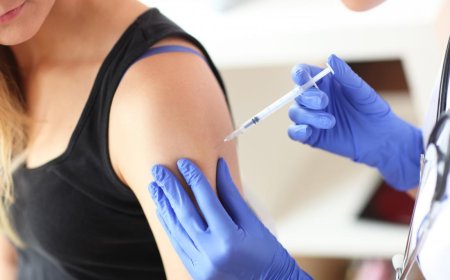
During a stress test with myocardial perfusion imaging, the patient undergoes exercise or receives a medication that simulates physical activity. A radiotracer is injected, and images are taken of the heart at rest and under stress. Differences between the two images reveal areas of reduced blood flow that may require further treatment.
2. Assessing Heart Function and Ejection Fraction
Nuclear Cardiology can measure the heart's ejection fraction (EF)the percentage of blood the left ventricle pumps out with each contraction. A low EF may indicate heart failure, cardiomyopathy, or prior heart attacks. Monitoring EF over time helps cardiologists determine the effectiveness of treatments and make timely adjustments.
3. Detecting Silent Ischemia
Silent ischemia refers to reduced blood flow to the heart that doesnt cause noticeable symptoms. It's especially common in diabetic patients and older adults. Through Nuclear Cardiology, physicians can uncover these hidden threats and intervene early, often preventing a potentially fatal cardiac event.
4. Identifying Scarred or Damaged Heart Tissue
After a heart attack, some heart muscle may become scarred or non-functional. Nuclear Cardiology helps distinguish between viable (living) and non-viable (dead) tissue. This information is critical in deciding whether procedures like angioplasty or bypass surgery will be effective.
5. Monitoring Patients with Known Heart Conditions
For patients with a history of heart disease, Nuclear Cardiology offers a reliable way to monitor disease progression and response to treatment. It helps ensure medications are working and identifies new blockages before they become emergencies.
Advantages of Nuclear Cardiology Over Other Diagnostic Methods
While other imaging techniques like echocardiography or CT scans are also useful, Nuclear Cardiology offers several unique advantages:
-
Functional and anatomical insights: Provides both visual and quantitative data on heart muscle performance.
-
High sensitivity: More accurate in detecting early-stage coronary artery disease.
-
Prognostic value: Helps predict future cardiac events with greater precision.
-
Versatility: Can be used for diagnosis, risk assessment, and follow-up.
Who Should Consider a Nuclear Cardiology Test?
Your doctor may recommend Nuclear Cardiology if you:
-
Experience unexplained chest pain or shortness of breath
-
Have risk factors like high blood pressure, diabetes, high cholesterol, or smoking
-
Have a family history of heart disease
-
Have had a heart attack or prior heart surgery
-
Need evaluation before starting a vigorous exercise program
Early use of Nuclear Cardiology in these cases can lead to prompt interventions that may reduce the risk of serious cardiac events.
Is Nuclear Cardiology Safe?
Yes, Nuclear Cardiology is generally considered very safe. The amount of radiation used is low and well within safety guidelines. The radiotracers used have a short half-life, meaning they lose their radioactivity quickly and are eliminated from the body within hours.
That said, your cardiologist will consider your health condition and medical history to determine if it's the right test for you.
Preparing for a Nuclear Cardiology Test
Here are a few general tips to prepare:
-
Avoid caffeine or certain medications before the test (your doctor will provide specific instructions).
-
Wear comfortable clothing if the test involves exercise.
-
Inform your doctor if you're pregnant, breastfeeding, or have kidney issues.
-
Bring a list of your current medications.
The test usually takes a few hours and is performed on an outpatient basis.
Final Thoughts
Nuclear Cardiology is a powerful tool in the early detection and management of heart disease. By offering a detailed look into how the heart is functioning and how well it is receiving blood, this technology enables cardiologists to catch problems before they escalate into serious conditions. If you or a loved one is at risk of heart disease, talk to your cardiologist about whether a Nuclear Cardiology test might be right for you.