




















Barnyard Millet – The Ancient Grain for Modern Wellness
Discover the health benefits, nutrition, and uses of Barnyard Millet. Learn recipes and where to buy authentic Jhangora online at Laluri.com. Gluten-free & diabetic-friendly.
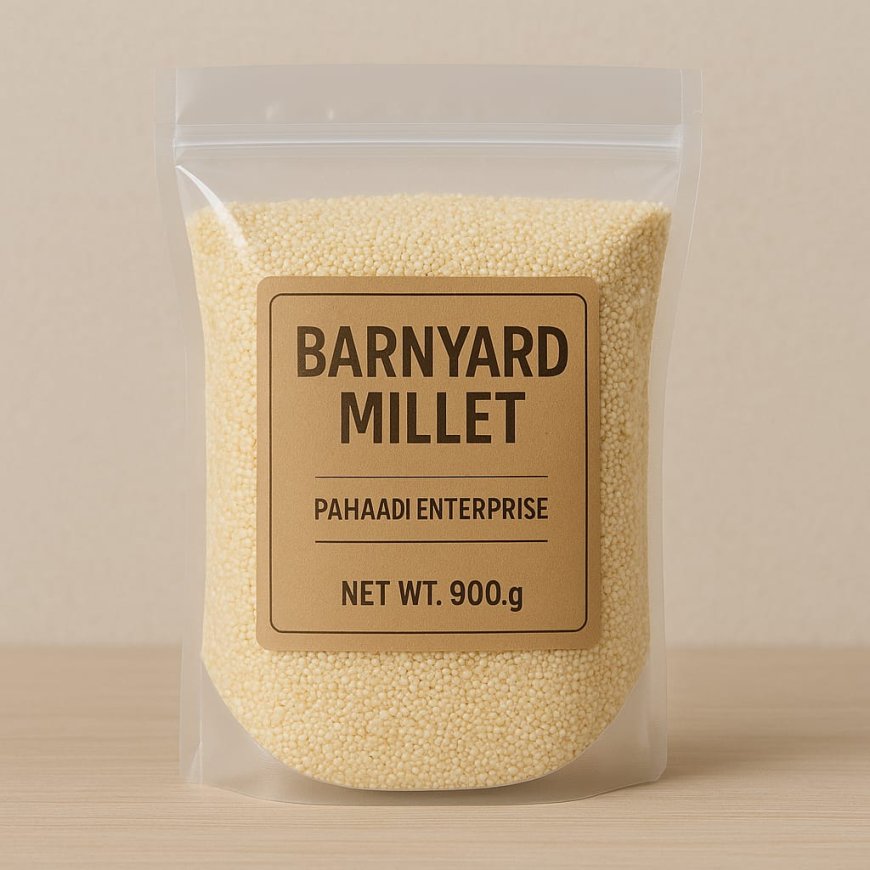
In an age where health-conscious eating is more important than ever, traditional Indian grains like barnyard millet are making a major comeback. Also known as Sanwa, Jhangora, or Kuthiraivali (in Tamil), barnyard millet is a gluten-free, high-fiber, and nutrient-rich grain that's perfect for todays balanced diets.
With roots deep in Himalayan culture and everyday Pahaadi meals, this millet is not only a health powerhouse but also a sustainable crop that supports small farmers and the environment.
What Is Barnyard Millet?
Barnyard millet (scientific name: Echinochloa frumentacea) is a small-seeded cereal grain that grows well in dry, hilly, and semi-arid regions. Its cultivated widely in Uttarakhand, parts of South India, and Nepal. In local dialects, its often called:
-
Jhangora in Garhwal (Uttarakhand)
-
Sanwa in North India
-
Kuthiraivali in Tamil Nadu
-
Udalu/Oodalu in Karnataka
Unlike modern grains, barnyard millet is free from chemical fertilizers, making it a favorite for those switching to organic and clean eating habits.
Nutritional Value of Barnyard Millet
One of the standout features of barnyard millet is its impressive nutritional profile. Per 100 grams (raw):
-
Calories: ~300 kcal
-
Carbohydrates: 6570 g
-
Dietary Fiber: 910 g
-
Protein: 11 g
-
Fat: 3.5 g
-
Calcium: ~2025 mg
-
Iron: ~1518 mg
-
Low Glycemic Index (GI)
This makes it a nutrient-dense grain, ideal for people looking to manage diabetes, weight, or adopt a heart-healthy diet.
Health Benefits of Barnyard Millet
Here are the top benefits of incorporating barnyard millet into your diet:
1. Great for Diabetes Management
Barnyard millet has a low glycemic index, meaning it releases glucose slowly, keeping blood sugar levels in check. Its one of the safest grains for people with type-2 diabetes.
2. Helps in Weight Loss
Rich in fiber and protein, barnyard millet promotes satiety and reduces frequent hunger pangs, making it perfect for weight watchers.
3. Improves Digestive Health
Its high dietary fiber content supports smooth digestion, reduces constipation, and promotes gut health.
4. Supports Heart Health
Being low in fat and free from cholesterol, it helps in regulating blood pressure, improving lipid profile, and reducing cardiovascular risk.
5. A Natural Detoxifier
Millets like barnyard help flush out toxins, especially when consumed during fasts or detox diets.
6. Ideal for Gluten-Free Diets
Barnyard millet is naturally gluten-free, making it a safe grain alternative for those with celiac disease or gluten intolerance.
Barnyard Millet in Indian Culture
In Indian households, barnyard millet is widely used during fasting periods like Navratri, Ekadashi, and Maha Shivratri. Its often used to prepare:
-
Jhangora kheer (millet pudding) in Uttarakhand
-
Sanwa rice pulao or khichdi in North India
-
Barnyard millet upma, idli, and dosa in South India
Its also considered a sattvic food, promoting calmness and purity, which makes it a preferred grain in yogic and Ayurvedic diets.
How to Cook Barnyard Millet
Cooking barnyard millet is easy and similar to rice.
Basic Cooking Method:
-
Rinse 1 cup of millet thoroughly.
-
Soak for 1520 minutes for better digestion.
-
Cook in 2.5 cups of water.
-
Simmer until soft (~15 minutes).
Use it as a rice substitute, or in porridges, salads, tikkis, or even millet flour rotis.
Popular Recipes Using Barnyard Millet
Here are some tasty and healthy recipes:
1. Barnyard Millet Khichdi
A wholesome one-pot meal made with vegetables and spicesperfect for detox days.
2. Jhangora Kheer
A traditional Uttarakhand dessert made with barnyard millet, milk, and cardamom.
3. Barnyard Millet Pulao
Use soaked millet instead of rice for a light, fluffy pulao.
4. Barnyard Dosa or Idli
Soak and grind millet with urad dal for soft dosas or idlis.
FAQs About Barnyard Millet
? Is barnyard millet better than rice?
Yes. Its higher in fiber, lower in carbs, and better for sugar control and digestion than white rice.
? Can I eat barnyard millet daily?
Yes, especially if youre looking for a healthy grain alternative to rice or wheat.
? Can diabetics eat barnyard millet?
Absolutely. Its low GI makes it one of the best grains for diabetics.
? Where can I buy authentic barnyard millet?
You can buy naturally grown, traditionally sourced barnyard millet at Laluri.com your one-stop store for Pahaadi grains and spices.
Final Thoughts
Barnyard millet is not just a grainits a return to purity, health, and tradition. With its growing popularity among nutritionists and Ayurvedic practitioners, this millet deserves a permanent spot in your pantry. Whether you're managing diabetes, aiming for weight loss, or simply making cleaner food choices, barnyard millet offers an ideal solution.
? In conclusion, you can buy premium-quality Barnyard Millet from Laluri.com and rediscover the taste of tradition with every bite.